

Maintaining Your Steel Structure: A Complete Guide
Steel buildings represent one of the most significant investments many businesses and property owners will make. Known for their durability, versatility, and strength, steel structures offer numerous advantages over traditional building materials. However, even the most robust steel building project requires proper maintenance to maximize its lifespan and preserve its value. This comprehensive guide explores essential maintenance practices that will keep your steel structure in peak condition for decades to come.
Why Maintenance Matters for Steel Structures
One of the primary steel construction benefits is longevity—with proper care, steel buildings can last 50 years or more. Regular maintenance not only extends this lifespan but also:
- Prevents costly repairs or premature replacement
- Maintains structural integrity and safety
- Preserves aesthetic appeal and property value
- Ensures operational efficiency
- Reduces long-term ownership costs
- Maintains insurance compliance
"The most expensive maintenance is the maintenance you didn't do," says Maria Rodriguez, a structural engineer with 25 years of experience. "Many serious structural issues could have been prevented with simple, regular inspections and timely interventions."
Essential Maintenance Checklist: Exterior
1. Regular Inspections (Bi-Annual)
The foundation of effective maintenance is thorough, scheduled inspections. Inspect your steel structure at least twice yearly—ideally in spring and fall—and after any severe weather events.
What to look for:
- Rust or corrosion spots
- Paint bubbling or peeling
- Loose, damaged, or missing fasteners
- Cracks in welds or connections
- Warping or deformation of panels
- Water damage or leaks
- Gutter and downspout blockages
- Foundation cracks or settlement
- Misaligned doors and windows
Create a standardized inspection form to ensure consistency and maintain records of all findings for future reference.
2. Surface Cleaning
Dirt, debris, and pollutants can accelerate corrosion and damage protective coatings. Regular cleaning should be part of your maintenance routine:
- Clean exterior surfaces annually using mild soap, water, and soft brushes
- Avoid harsh chemicals or abrasive tools that might damage protective coatings
- Pay special attention to areas where dirt and moisture accumulate
- Consider professional pressure washing every 2-3 years (using appropriate pressure settings)
- Remove organic matter like leaves, bird droppings, and mold promptly
3. Corrosion Prevention and Treatment
Despite steel's resilience, corrosion remains its primary vulnerability. The cost of steel buildings rises significantly when replacement becomes necessary due to unchecked corrosion.
Preventive measures:
- Inspect regularly for rust spots, particularly in joints, seams, and scratched areas
- Address minor corrosion immediately before it spreads
- Apply appropriate rust converters to affected areas
- Repaint or touch up damaged protective coatings
- Consider applying a protective sealant in highly corrosive environments
- Install sacrificial anodes in particularly corrosive locations
"Catching corrosion early is crucial," notes Thomas Chang, a steel building maintenance specialist. "What starts as a small rust spot can quickly compromise structural integrity if left unaddressed."
"The most successful steel building owners take a proactive, rather than reactive, approach to maintenance. Prevention is always more cost-effective than repair or replacement."
4. Roof Maintenance
Your steel building's roof is particularly vulnerable to weather damage and requires special attention:
- Remove debris regularly to prevent water pooling
- Inspect for loose or damaged panels, especially after storms
- Check and clean gutters and downspouts quarterly
- Ensure proper drainage to prevent water accumulation
- Examine sealants around roof penetrations (vents, skylights, HVAC units)
- Look for signs of leaks on interior ceilings and walls
- Maintain appropriate insulation to prevent condensation
Many steel building design considerations focus on roof performance—proper maintenance ensures these design elements function as intended.
Interior Maintenance Priorities
1. Moisture and Condensation Control
Condensation poses a significant threat to steel structures, potentially causing corrosion from within:
- Monitor humidity levels, especially in climate-controlled facilities
- Ensure proper ventilation throughout the structure
- Inspect and maintain vapor barriers and insulation
- Address leaks immediately
- Consider dehumidification equipment in humid environments
- Check for condensation on windows, doors, and metal surfaces during temperature fluctuations
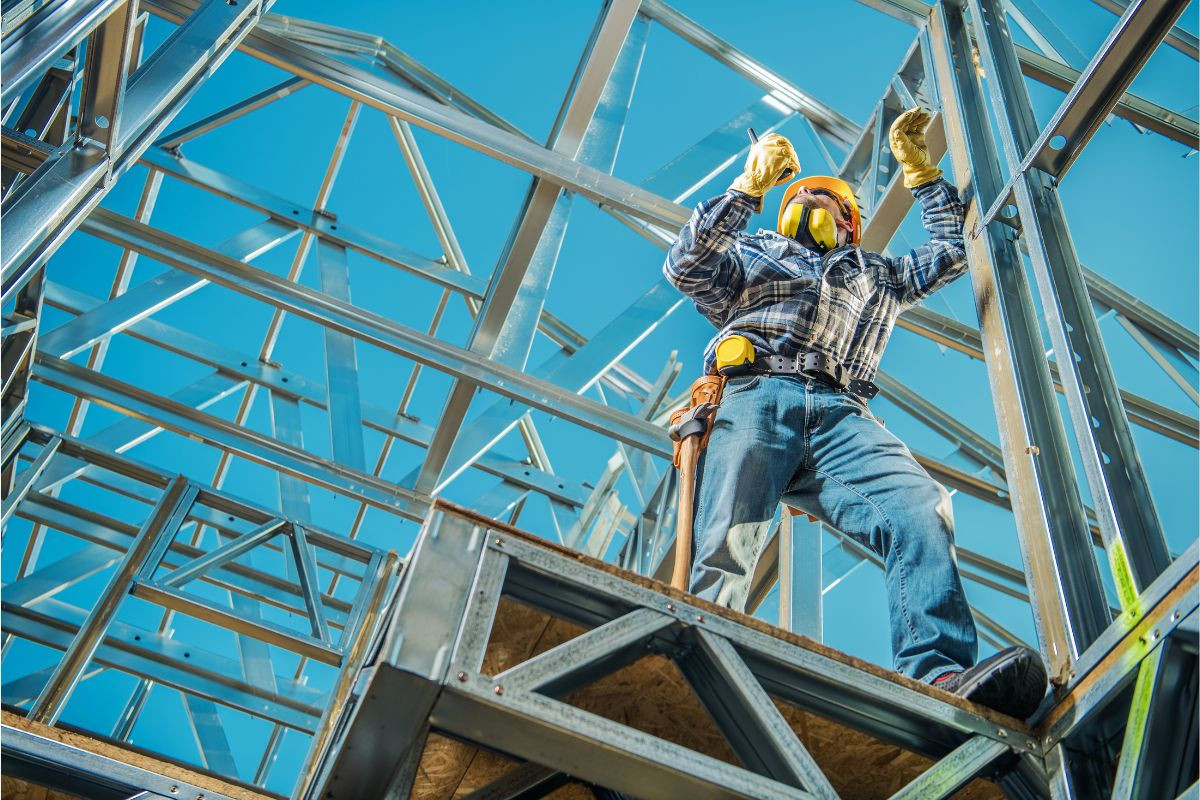
2. Structural Component Inspection
The interior structural elements require regular assessment:
- Inspect exposed structural members for signs of stress or deformation
- Check connections, including bolts, welds, and brackets
- Look for any unusual movement or vibration
- Ensure floor-to-wall connections remain solid
- Verify that load-bearing components show no signs of fatigue
Seasonal Maintenance Considerations
Different seasons present unique challenges for steel structures. Here's how to adapt your maintenance routine throughout the year:
Spring Maintenance
- Thorough inspection after winter
- Cleaning of gutters and drainage systems
- Check for winter weather damage
- Inspect for pest infestations
- Clean exterior surfaces
Summer Maintenance
- Inspect and maintain cooling systems
- Check roof for heat-related expansion issues
- Monitor for condensation during humid periods
- Inspect lightning protection systems
- Verify proper ventilation
Fall Maintenance
- Prepare for winter weather
- Clear all drainage systems
- Check heaters and insulation
- Inspect seals around openings
- Ensure snow load capacity is not compromised
Winter Maintenance
- Monitor snow accumulation on roofs
- Check heating systems regularly
- Look for ice dams in drainage systems
- Monitor for condensation from heating
- Inspect for cold weather damage after severe events
Sustainable Maintenance Practices
Sustainable steel buildings are not just about initial construction—maintenance practices can significantly impact environmental footprint:
- Use environmentally friendly cleaning products
- Consider water collection systems for cleaning purposes
- Implement energy-efficient upgrades during maintenance cycles
- Choose low-VOC paints and coatings
- Recycle replaced components whenever possible
- Monitor and optimize energy performance
"Sustainable maintenance isn't just good for the planet—it's good for your bottom line," explains environmental consultant Alex Rivera. "Energy-efficient upgrades and preventive maintenance reduce operational costs while extending building life."
Creating an Effective Maintenance Plan
A strategic approach to maintenance delivers the best results:
1. Documentation
Maintain comprehensive records including:
- Original building specifications and design documents
- Warranty information for all components
- Maintenance history and inspection reports
- Repair records and modifications
- Vendor and contractor contact information
- Material safety data sheets for all products used
2. Scheduled Maintenance Calendar
Develop a detailed maintenance schedule that includes:
- Daily visual checks by staff
- Monthly minor maintenance tasks
- Quarterly specialized system checks
- Bi-annual comprehensive inspections
- Annual third-party professional assessments
- Seasonal specific tasks
Cost-Benefit Analysis of Preventive Maintenance
Understanding the financial impact of maintenance can help justify necessary expenditures:
The Cost of Neglect
Consider these statistics:
- Deferred maintenance typically costs 4-5 times more than preventive maintenance
- Structural failures from neglected maintenance can cost 10-100 times the prevention cost
- Business interruption from building failures averages 3-7 days per incident
- Insurance premiums increase substantially for poorly maintained buildings
- Property value depreciation accelerates with visible maintenance neglect
Return on Maintenance Investment
Proper maintenance delivers substantial returns:
- Extended building lifespan (30+ years additional service)
- Energy savings of 5-15% from well-maintained systems
- Reduced emergency repair costs (typically 35-45% lower)
- Higher property values (10-15% premium for well-maintained facilities)
- Improved occupant satisfaction and productivity
- Lower insurance premiums and reduced claim likelihood
Conclusion: Protecting Your Investment
Steel structures represent significant investments that, with proper care, can serve generations. By implementing a comprehensive maintenance program, you're not just preserving a building—you're protecting your financial investment, ensuring occupant safety, and maximizing the many steel construction benefits that made you choose this material in the first place.
Remember that maintenance isn't just about fixing what breaks—it's about preventing breaks from occurring at all. The most successful steel building owners take a proactive, rather than reactive, approach to maintenance.
By following the guidelines in this comprehensive maintenance guide, you can ensure your steel structure remains safe, functional, and beautiful for decades to come, while simultaneously optimizing your total cost of ownership and preserving your investment.
Need Professional Maintenance for Your Steel Structure?
At C&H Contractors, we offer comprehensive maintenance services for steel structures of all types and sizes. Our experienced team can help you develop and implement a maintenance plan tailored to your specific building needs.


