
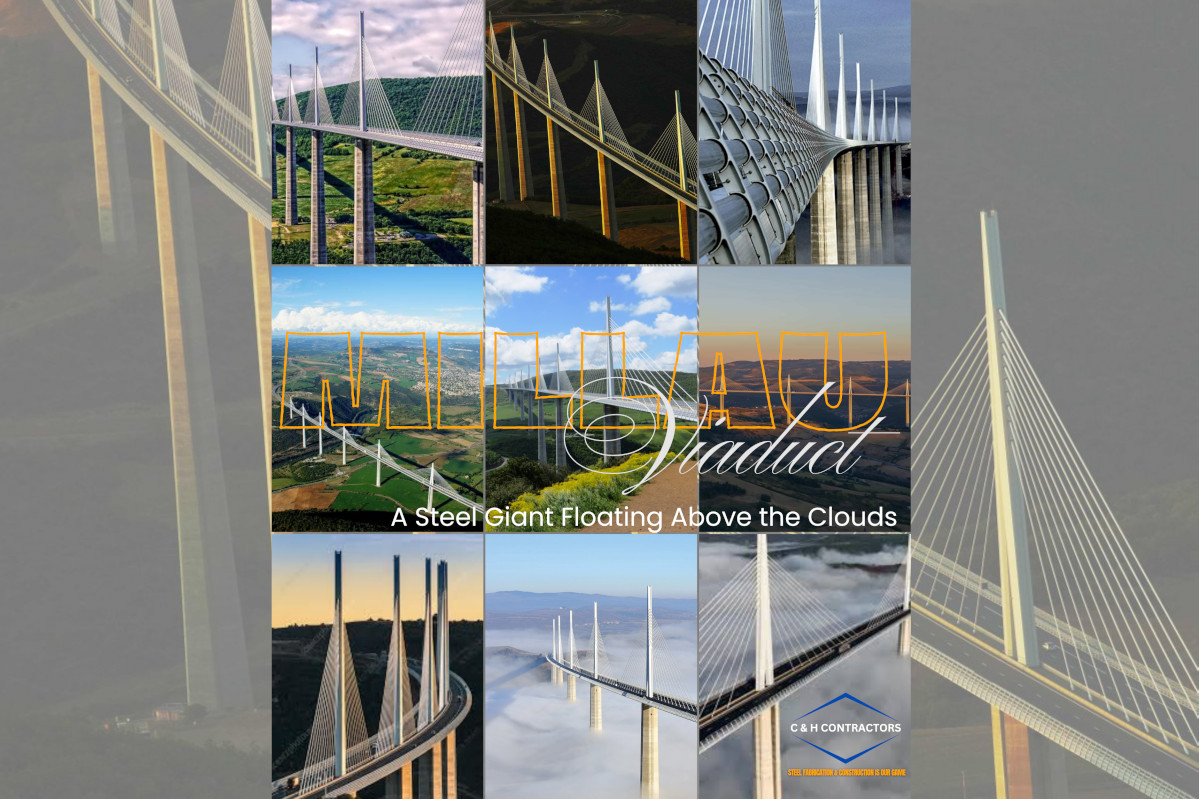
Millau Viaduct: A Steel Giant Floating Above the Clouds
First things first: Millau Viaduct is pronounced “Mee-YOH Vee-ah-duckt.”
Don’t worry, we had to check it too. We can fabricate steel, but apparently French pronunciation is a whole different trade.
This week, The Backbone Brief takes a closer look at the Millau Viaduct — one of the most remarkable steel bridge projects ever constructed.
The greatest steel structures do not just carry traffic — they redefine what is possible.
A Bridge Floating Above the Tarn Valley
Stretching gracefully across the Tarn Valley in southern France, the Millau Viaduct rises above the landscape with such elegance that it almost appears to float among the clouds.
Behind that effortless appearance lies a masterpiece of structural engineering. The bridge was designed to overcome immense height, span and environmental challenges while maintaining exceptional efficiency and strength.
Why Steel Made It Possible
Standing taller than the Eiffel Tower at its highest point, the Millau Viaduct needed a structural solution that could span vast distances without placing unnecessary load on the supporting piers.
The answer was steel.
Thousands of tons of structural steel were used to create a lightweight yet incredibly strong deck. This allowed engineers to reduce loads, increase efficiency and achieve a bridge profile that is both powerful and elegant.
- Designed as a major cable-stayed bridge
- Uses a lightweight structural steel deck
- Spans the Tarn Valley in southern France
- Rises higher than the Eiffel Tower at its tallest point
- Combines precision fabrication with world-class engineering
Precision Fabrication and Launching
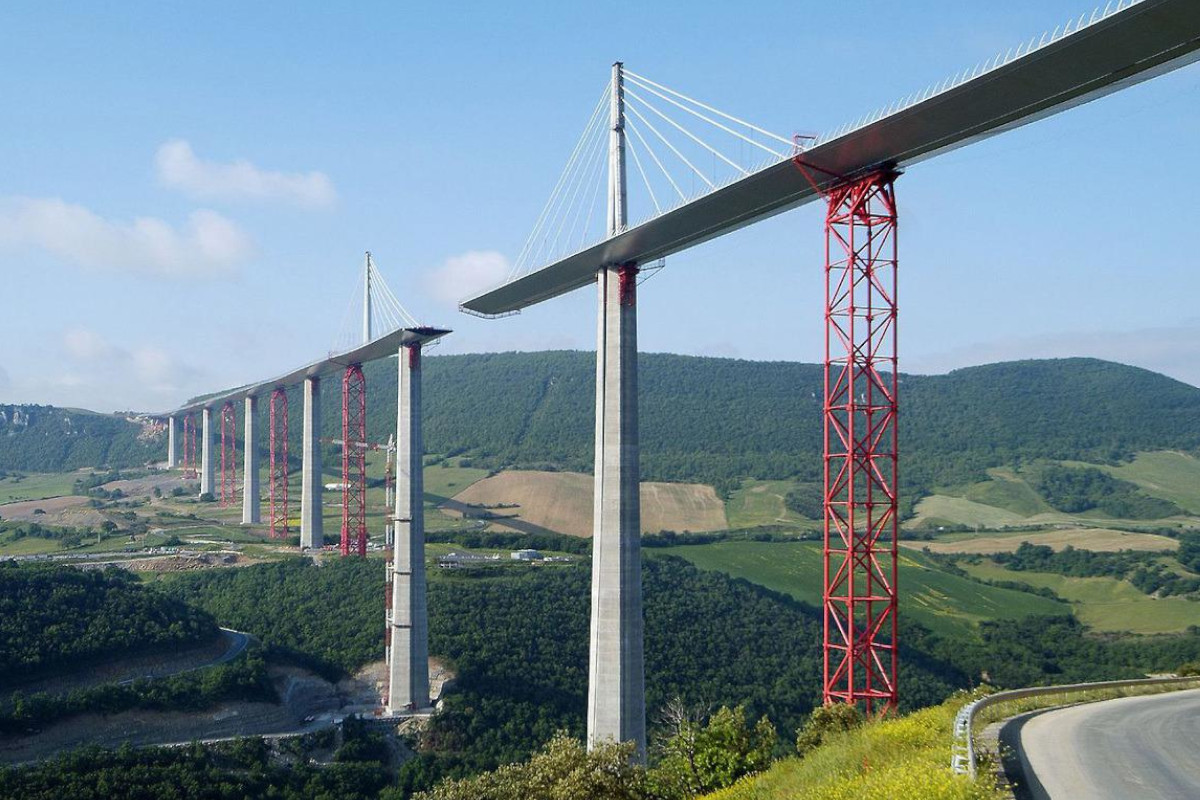
Every section of the steel deck had to be fabricated with exceptional accuracy and launched into position with extraordinary precision.
This type of project does not allow room for guesswork. Alignment, welding, connection detailing, temporary supports and sequencing all had to work together perfectly.
Innovation Above the Clouds
Projects like the Millau Viaduct do not happen by chance. They require innovation, planning, world-class engineering and exceptional attention to detail at every stage of fabrication and construction.
More than two decades after its completion, the Millau Viaduct remains a global symbol of what is possible when vision meets precision engineering.
At C&H Contractors, structures like this remind us why steel remains one of the most important materials in modern construction. When used correctly, steel gives engineers the strength, flexibility and efficiency needed to turn difficult ideas into lasting structures.
Because the greatest steel structures do not just carry traffic — they redefine what is possible.


